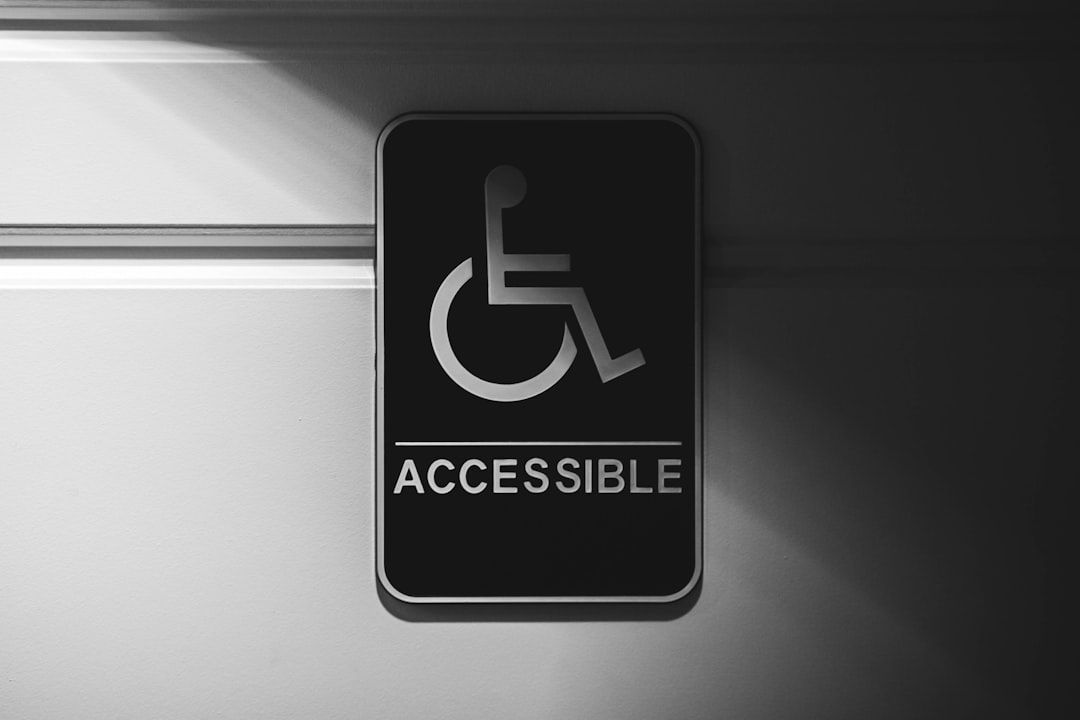
In today’s digital age, QR codes have become a ubiquitous part of our daily interactions, offering a bridge between the physical and digital worlds. However, as their usage becomes more widespread, the question of accessibility comes to the forefront. How do we ensure that QR codes are accessible to all users, including those with disabilities? This comprehensive guide delves into the nuances of creating accessible QR codes, ensuring inclusivity in digital design.
Why is Accessibility Important in QR Code Design?
Accessibility in QR code design is not just about compliance with legal standards; it’s about inclusivity. Ensuring that QR codes are accessible to people with disabilities means that everyone has equal access to the information and services these codes provide. This section explores the reasons behind the importance of accessibility in QR code design, including legal, ethical, and practical considerations.
What Challenges Do People with Disabilities Face with QR Codes?
People with disabilities often face several challenges when interacting with QR codes. For some, the issue might be the inability to physically scan the code due to mobility or motor impairments. Others might have visual impairments that make it difficult to locate or focus on the QR code. This section discusses these challenges in detail, offering insight into the diverse needs that accessible QR code design must address.
How Can QR Codes Be Made More Accessible?
Making QR codes accessible involves several strategies, from the physical placement and size of the codes to the contrast and color schemes used. Additionally, incorporating alternative text descriptions and ensuring compatibility with screen readers are crucial steps. This section provides a comprehensive overview of the techniques and best practices for making QR codes more accessible to all users.
What Are the Best Practices for Accessible QR Code Placement and Size?
The placement and size of QR codes significantly impact their accessibility. Codes need to be placed at an accessible height for individuals in wheelchairs and those who might have difficulty reaching high places. The size of the QR code also matters, as larger codes are easier for people with visual impairments to scan. This section outlines the best practices for QR code placement and size, ensuring they are accessible to everyone.
Why Incorporate Alternative Text Descriptions in QR Codes?
Alternative text descriptions play a critical role in making QR codes accessible to users who rely on screen readers. By providing a text description of the QR code’s purpose and destination, designers can ensure that users who cannot visually scan the code still have access to the information. This section delves into the importance of alternative text descriptions in QR codes, offering guidelines on how to effectively implement them.
How Do Screen Readers Interact with QR Codes?
Screen readers are essential tools for people with visual impairments, translating on-screen information into speech or Braille output. However, their interaction with QR codes can be challenging without the proper accessibility features in place. This section explores how screen readers can be optimized to work with QR codes, ensuring that users with visual impairments can access the information contained in the codes.
What Tools Are Available for Creating Accessible QR Codes?
Fortunately, there are several tools and software options available for creating accessible QR codes. These tools offer features such as high-contrast color options, the ability to add alternative text descriptions, and guidelines for optimal size and placement. This section reviews some of the top tools for creating accessible QR codes, providing recommendations based on ease of use and accessibility features.
How to Test the Accessibility of Your QR Codes?
Testing is a crucial step in the process of creating accessible QR codes. It involves not just technical checks for compatibility with screen readers and other assistive technologies but also user testing with individuals who have disabilities. This section outlines the comprehensive testing process for QR codes, ensuring they meet accessibility standards before being deployed.
What Legal Standards Apply to Accessible QR Codes?
There are several legal standards and guidelines that apply to accessible QR codes, including the Web Content Accessibility Guidelines (WCAG) and various national and international laws. This section provides an overview of these legal requirements, helping designers understand their obligations when creating accessible QR codes.
How Can Accessibility Enhance User Experience for All?
Beyond compliance with legal standards, making QR codes accessible enhances the user experience for everyone, not just those with disabilities. This section explores how accessible design practices can lead to a more inclusive and user-friendly digital environment, benefiting all users.
What Future Trends Will Impact Accessible QR Code Technology?
As technology advances, new trends are emerging that could significantly impact the accessibility of QR codes. From augmented reality to voice recognition, these developments promise to make QR codes even more user-friendly and accessible. This section examines the future trends in QR code technology, speculating on how these innovations could further enhance accessibility.
Conclusion
Creating accessible QR codes is not just about meeting legal requirements; it’s about ensuring inclusivity in the digital world. By addressing the challenges faced by people with disabilities and implementing best practices for accessible design, we can make QR codes a truly universal tool for information and services. As technology evolves, the commitment to accessibility must remain a priority, ensuring that QR codes continue to serve as a bridge between the physical and digital worlds for all users.